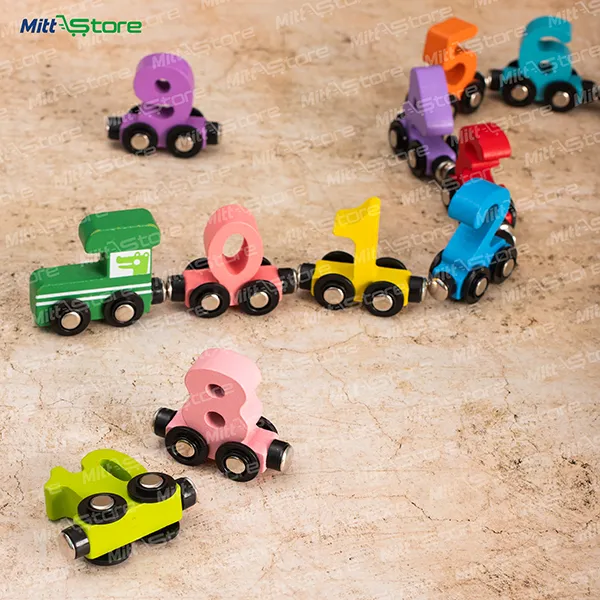
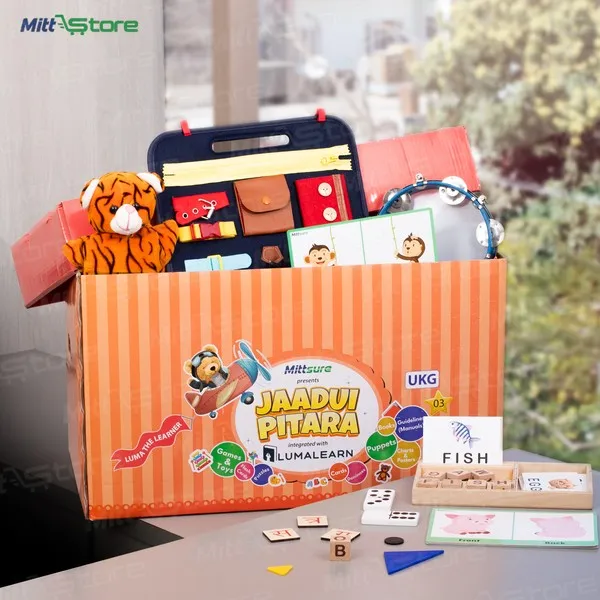
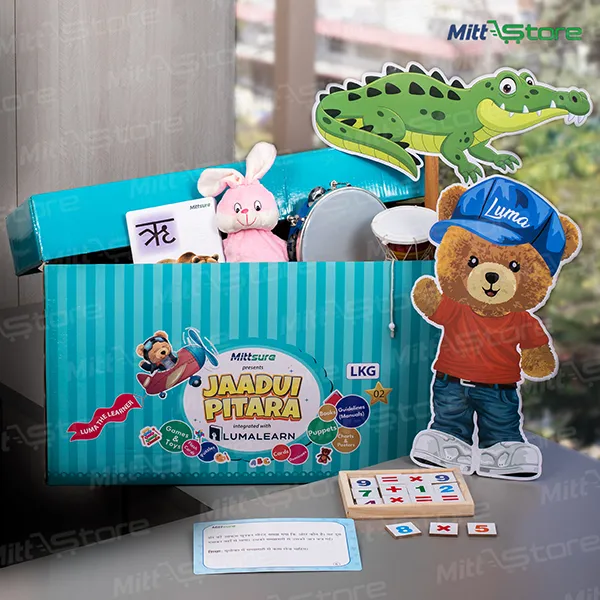
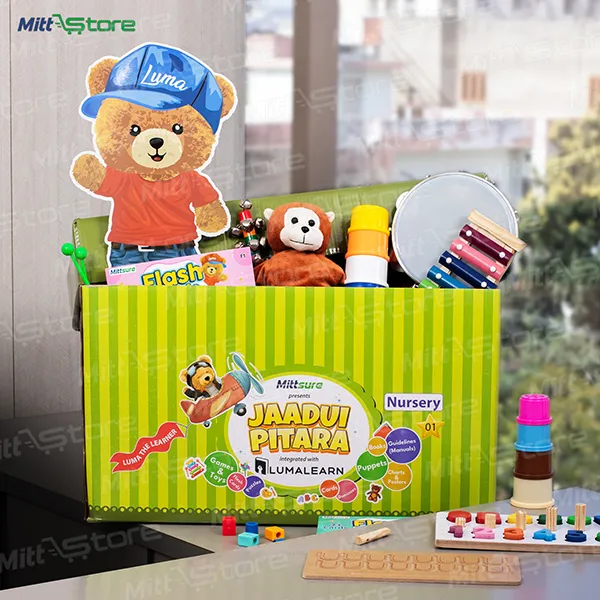
Yes, flashcards can be the best, interactive, play-based learning option and it boosts the power of actively recalling, enhancing the visual memory, and building vocabulary.
Teaching kids flashcards should be done through interactive learning that keeps kids engaged, like using two sets of flashcards for a classic face-down matching game, or using a fly swatter for them to swat the card you call out, or maybe play card hunt with them where they have to look around for the right card once you've called it out.
The best age of kids for interactive and educational learning with flashcards is 2 to 6 years old because children in this age range are able to understand, analyse, and produce language, while also recognising the pattern better. But parents start showing flashcards to kids around 0-2 years as they start to build focus, shape their memory, understand associating words so flashcards with real world objects, animals, colors, etc.
Physical flaschards would anyday be a better option if you wish to sharpen their active recall, enhance their muscle memory and strengthen their manual movements in the body. However, digital flashcards are preferable during travelling as they helps keep things at one place so the scope of losing a card is not there.
Review the flashcards in gradually increasing intervals commonly called as Spaced Repetition Technique or use active recall where you intentionally retrieve information from memory instead of passively re-reading or highlighting texts.