Suicide cases have been continuosly increasing and has somewhere become the leading cause of death among young people worldwide. The National Crime Records Bureau (NCRB) records over 1.8 lakh people die by suicide every year and in this, students hold more than 8% of these deaths. In fact, in the last decade, the student suicide cases have increased by nearly 65%, highlighting how important it has become to track the mental health crisis among children and adolescents.
The World Health Organisation (WHO) keeps on emphasizing that these cases are preventable if we can identify the pattern early, provide emotional support, and put in the timely intervention. Tele-MANAS (India’s mental health initiative to provide 24/7 mental health helpline and digital platform) reveals that nearly half of distress calls are from people under 30, and a lot more with overwhelming stress, anxiety, and hopelessness.
All these numbers bring us to one conclusion: suicide prevention cannot begin at the crisis stage, it begins much earlier and people who are there everyday can take in precautions to detect these signs, resulting in the prevention of suicide cases.
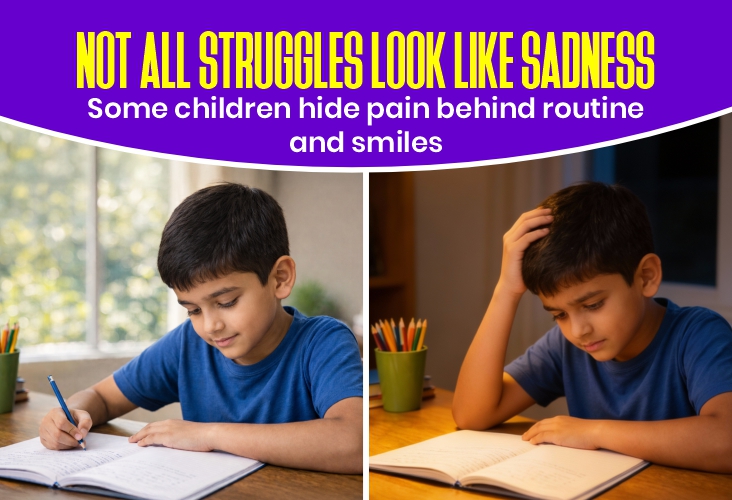
The thoughts of committing suicide does not just come out of nowhere. Generally it is when an individual has been building emotional safety for long, cyberbullying and now ending life seems better than living through it. It could be due to any pressure like chronic academic stress, fear of failure and perfectionism, bullying and social isolation, family conflict, etc, whether high or low, but has been consistent and now the child is tired of holding it up.
The best thing that a child can receive is support from home.
Because home is a place students spend the most of their time. Even the research published in The Lancet Psychiatry highlights that family environment plays a decisive role in either increasing or reducing suicide risk. So children who grow up in emotionally supportive households have lesser chances of engaging in self-harm or suicidal behavior.
A strong, supportive relationship can outweigh the policies, programs and even the professional interventions. Suicide would never be a step if there is just a single issue. When nothing seems right, no option seems feasible, when there’s no other place to go to, is when a person finally thinks of ending his life. When there’s academic pressure, emotional isolation, fear of failure, bullying, or unresolved emotional pain, collapsing can change to coping if a child has an answer to just one question:
“Do I have someone safe to turn to?”
And who better than parents to have by your side?
So here are some roles that parents can play:
Parents who
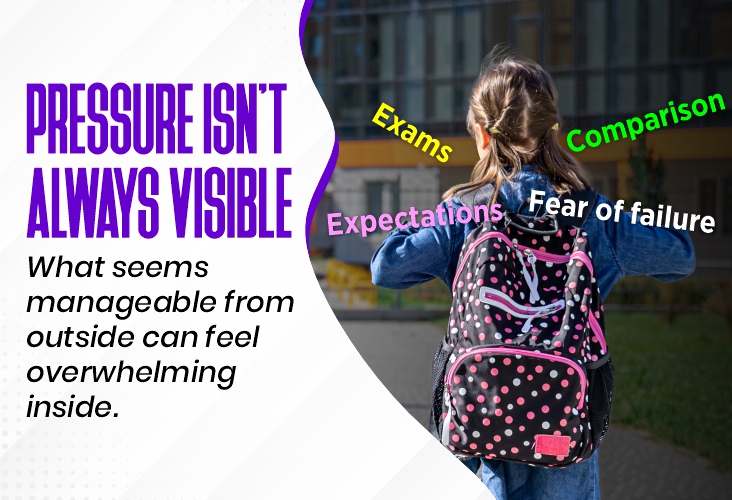
Because children today face intense pressure. It can be from exams, competition, social media comparisons, or maybe from expectations of success. So reducing the emotional overload at home helps them deal strongly with outside situations.
Parents are uniquely positioned to notice subtle changes long before teachers or professionals do.
They can read the shift in mood or behavior better. Track any changes in sleep, appetite, or energy, see if they have loss of interest in previously enjoyed activities, and even if they are withdrawing from family or friends.
So if they can recognise the issue early, it is possible for them to intervene early and prevent suicidal thoughts.
A child may have dozens of people around them, but if none feel emotionally safe, loneliness still exists. Because if feelings are judged, being vulnerable is criticised, making mistakes is looked down on, they feel that there’s no one they can turn to.
On the contrary, if they find their home emotionally safe, they will be able to talk about their distress, ask for help, and even accept any suggestions you provide.
Children learn emotional regulation by observing adults. Parents who manage stress constructively teach resilience without a single lecture.
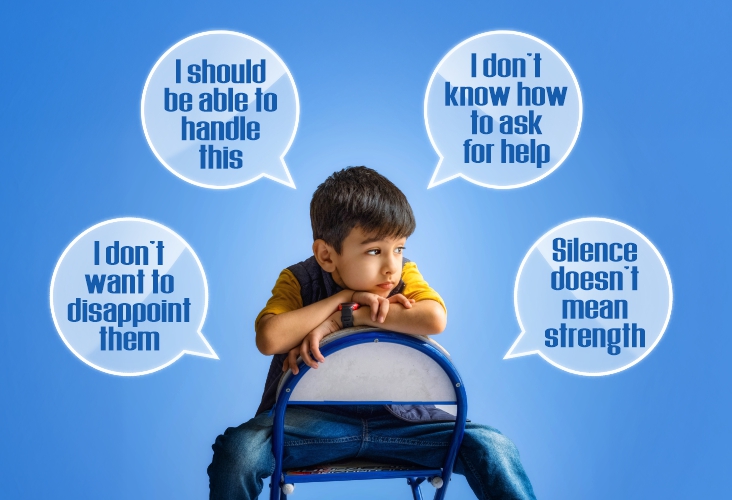
If your child shares something with you, and you conclude that they are overreacting, it is just a phase, comparing it with other’s situations that others had worse, can completely shut down the communication from their end.
According to multiple psychological studies, active listening reduces emotional distress more effectively than advice-giving, especially in adolescents.
Protective parenting is built through small, repeatable actions. Some high-impact daily habits include:
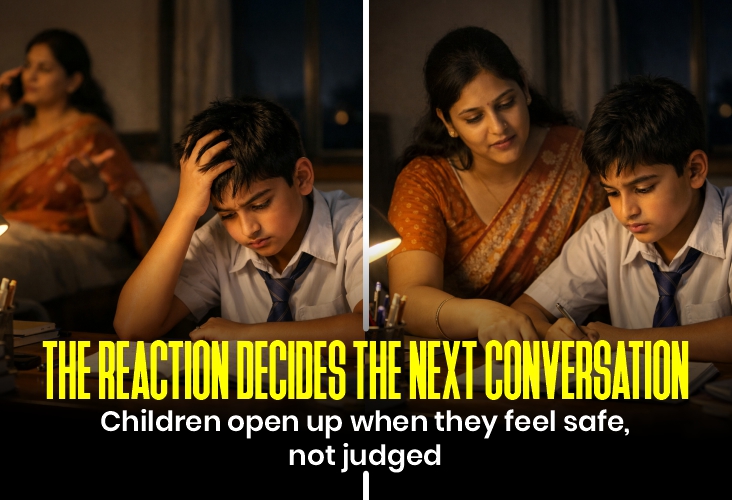
Parents don’t have to do this alone. Stay connected with teachers and counselors, participate in school mental health initiatives, encourage children to access support systems.
When home and school work together, suicide prevention becomes far more effective.
And again,
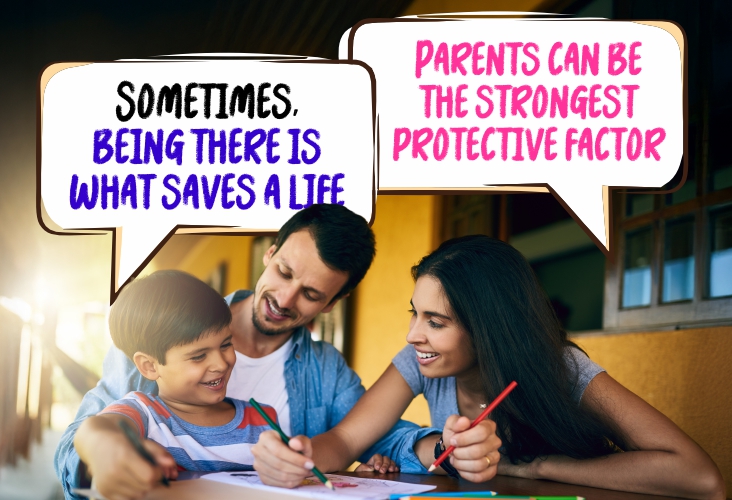
Parents don’t prevent suicide by having all the answers. They prevent it by being present, approachable, and emotionally available.
In moments of despair, children don’t look for perfect parents. They look for someone who will sit with them, listen, and stay.
That presence, consistent, compassionate, and unconditional, is the strongest protective factor of all.