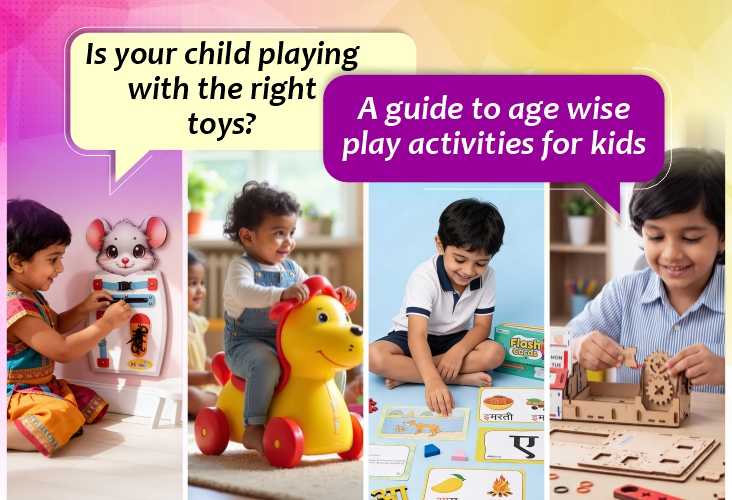
On an average, a human brain size at birth is less than 25% of the adult brain size. By age 3 it becomes 80% of adult brain size, and by age 5 almost 90%. So 85% of the total brain growth occurs in the first 3 years. So the first 5 years have an “impossible-to-exaggerate” effect on lifelong outcomes.
There was a fact mentioned in PersonHood360, that “by age three, the brain has already formed approximately 1,000 trillion synaptic connections, twice as many as the adult brain.”
Yet the research on how many kids actually play says that almost two-thirds of one to four-year-olds may be missing out on structured social play, 5% of one to four-year-olds are experiencing a deficit of active free play. And this number increases to 77% for nine to twelve-year-olds. Over 68% of five to eight-year-olds don’t get the recommended amount of pretend play.
Why is all this happening?
Reduced play.
Children now spend only four hours a week playing out.
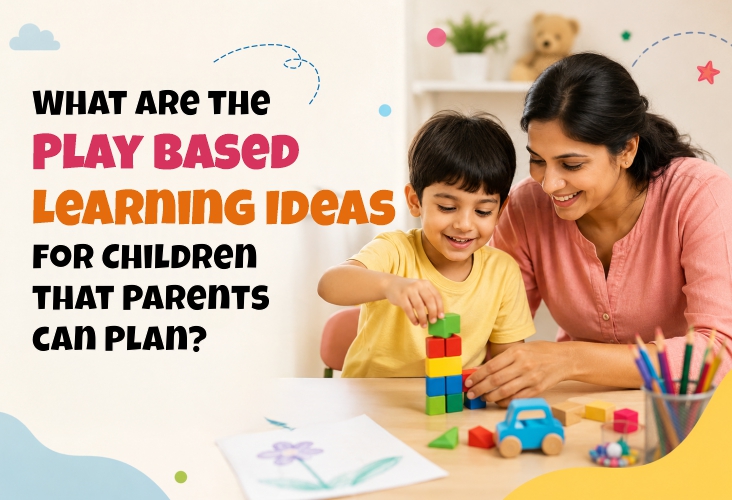
So parents have to spend time in planning play activities for kids so that they develop their skills better.
And they have been doing it too…
A 2025 research study on Indian parental perception and play found that parents of the present generation have a positive perception of play and value its importance in their children's overall development.
Parent research reveals that a parent's role in the play development of their child is of paramount importance.
But there’s one concern that still stays and most parents end up missing.
THE CONSIDERATION OF AGE!
Because not every activity supports every age equally, a 2 year old will learn differently and would require different kinds of attention than a 5 year old kid. Similarly there will be a vast gap between the needs of a 5 year old and an 8 year old’s understanding.
Mostly this difference is because some years need to teach kids how to explore their senses and understand using them, some years require more focus on strengthening movement and coordination and some years build their logic, their power of imagining, their level of communicating, their span of creativity, and whether they are able to think independently.
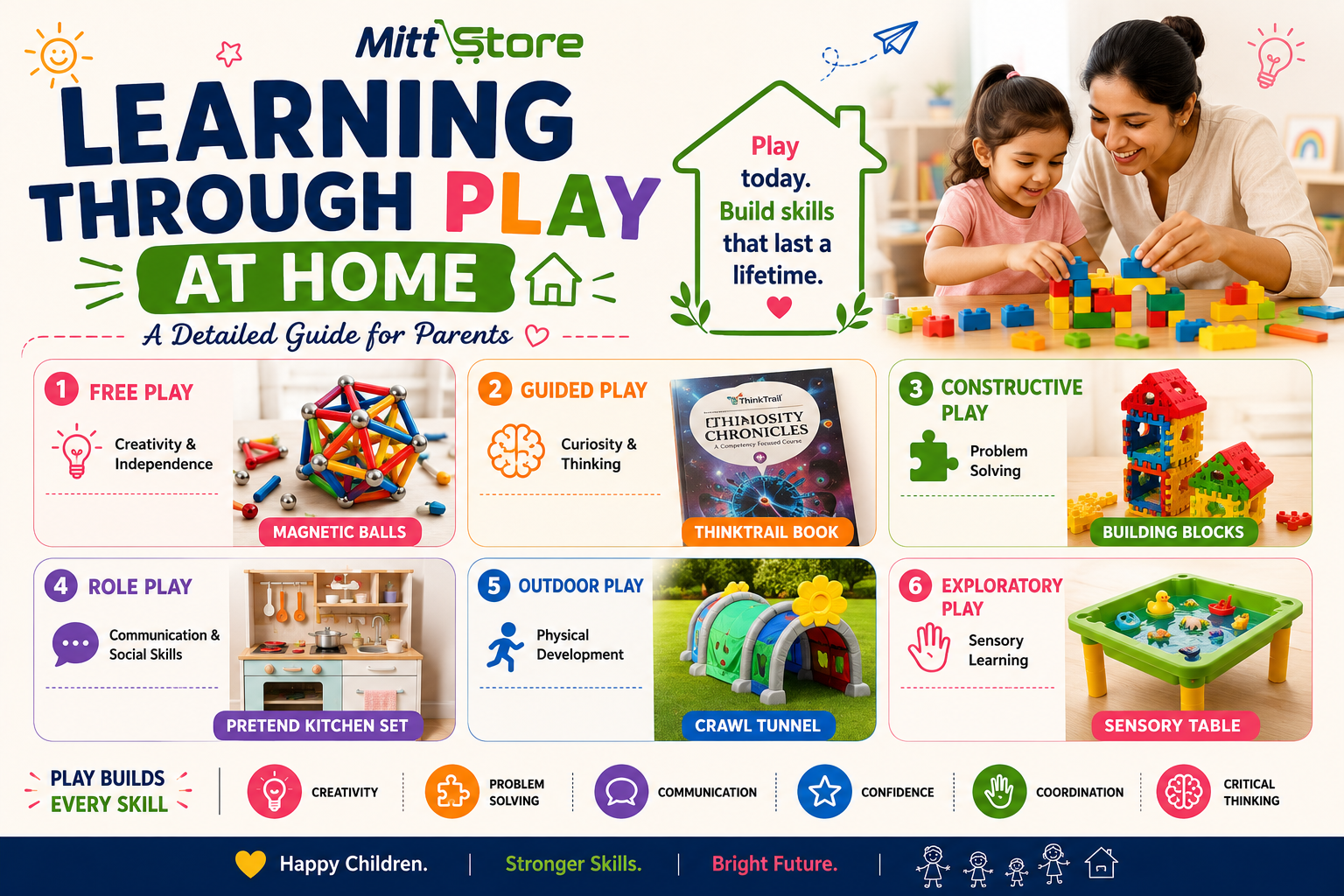
This blog is a detailed guide on what should be the age-wise play activities for kids and what difference it brings to the growth of kids.
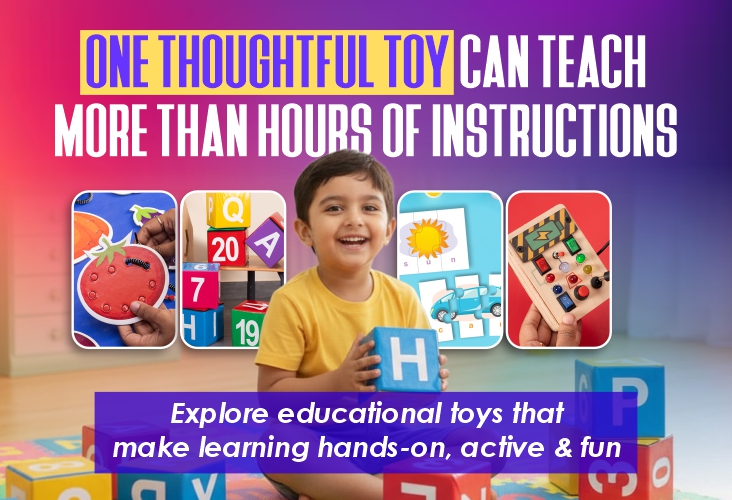
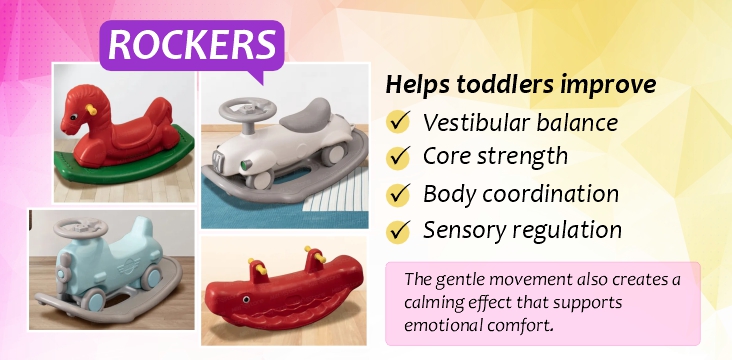
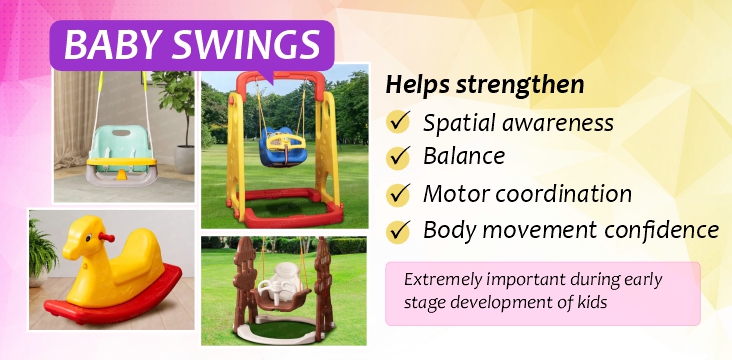
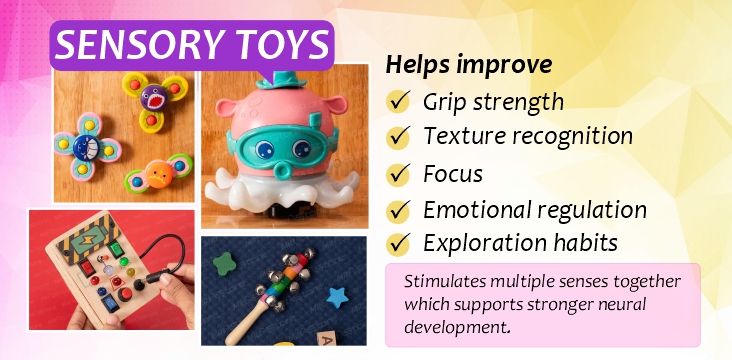
Kids should play with toys that make them involved in playing and doing that activity rather than just sitting and observing. And when that toy enhances a child’s senses it helps them explore the feeling of touch, sight, hear, smell, taste, it helps kids understand what sense organs are and how they work. And these toys also help them understand how to move, how to balance, and how their body switches position with respect to the surroundings, objects, and people.
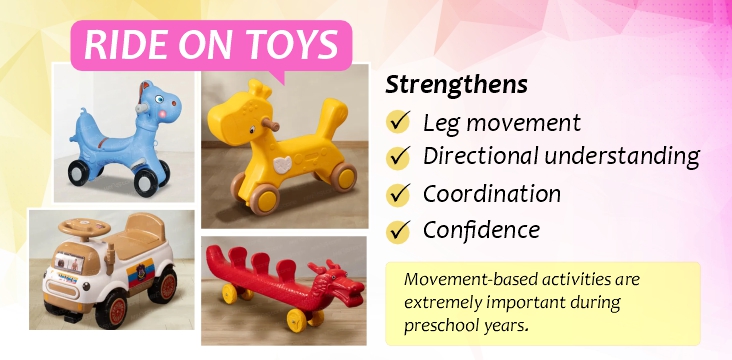
Kids at this age will learn best by touching, stacking, pushing, pulling, moving, observing, and repeating these activities. This is the right age to help kids understand ways to move so that they will soon be able to adapt to the day to day activities that will come up eventually. But parents need to find something interesting as the attention span in this age is the least, so toys and activities need to be super engaging and also movement friendly.
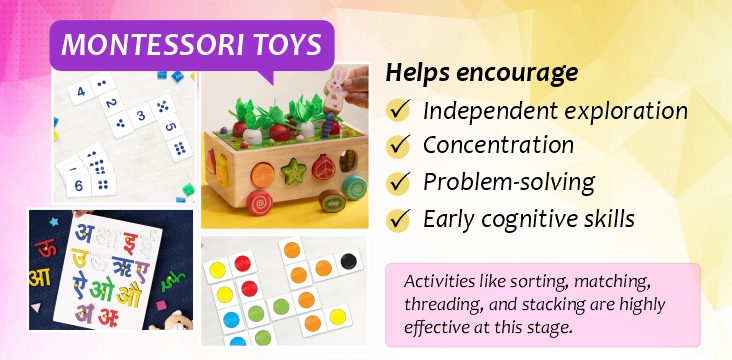
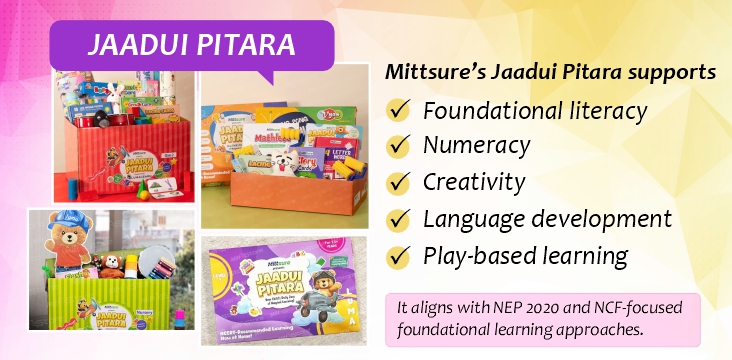
Once children understand how to use senses better, questions start arising in them. There’s more curiosity in them to know what’s around them, how it works, and more. This is the actual stage where they know how to talk, so will ask more questions, they know how to see, so will ask more questions, they know how to listen, so will ask more questions. They start enacting you in many ways and you might find them role-playing different kinds of roles. Maybe copying you or people around them whom they see. This is a great time to keep building imagination so that their space and level improves more, and accordingly improve their communication so that things get better for them in their future.
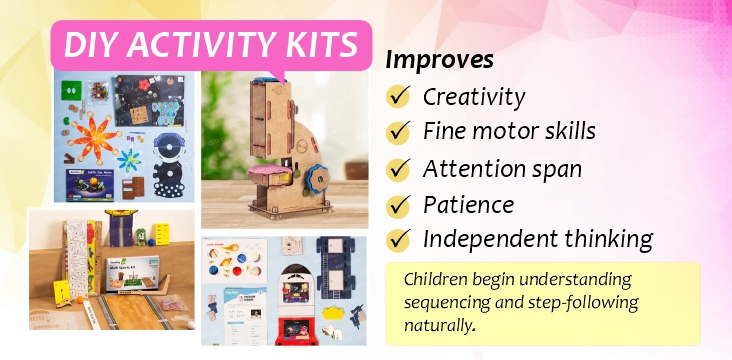
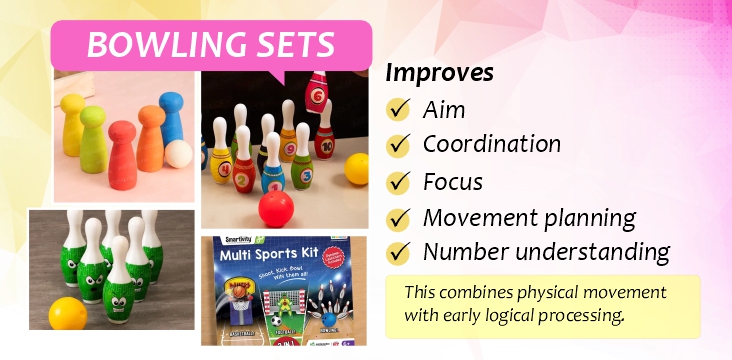
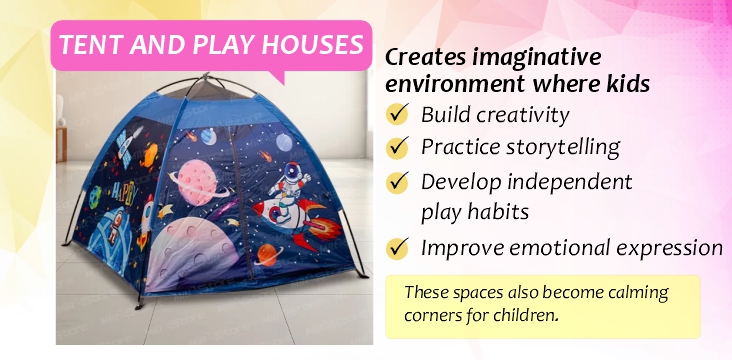
Children in this age have the potential to build the skills needed to surf through life better. Their capacity to expand their attention span also increases. This is the right age to sharpen their power to retain memory, bring in more challenges that help them shape their problem solving abilities, and also increase their ability to possess the foundational cognitive, emotional, physical, and monitor their behavior and thoughts in response to the demands that come up as per the situation.
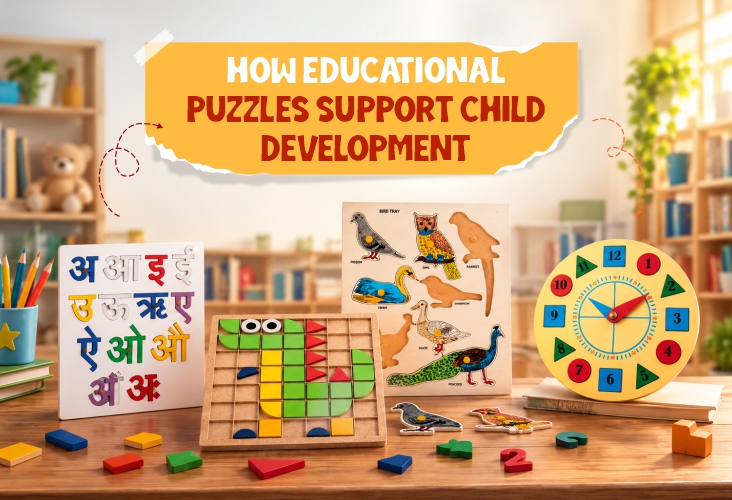
Try adding more games that make them solve puzzles, games that require team coordination, that teaches them how to balance themselves, that makes them think more logically, helps them keep learning interactive.
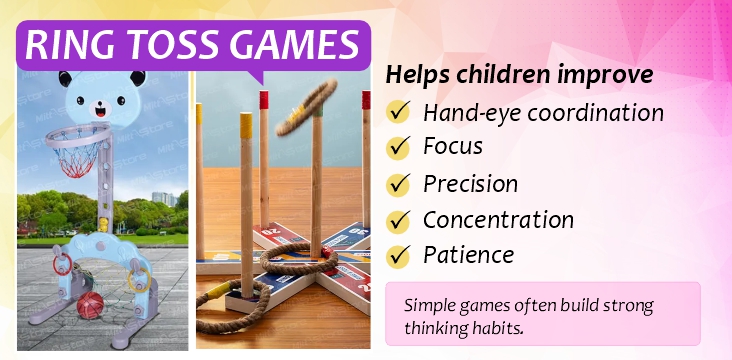
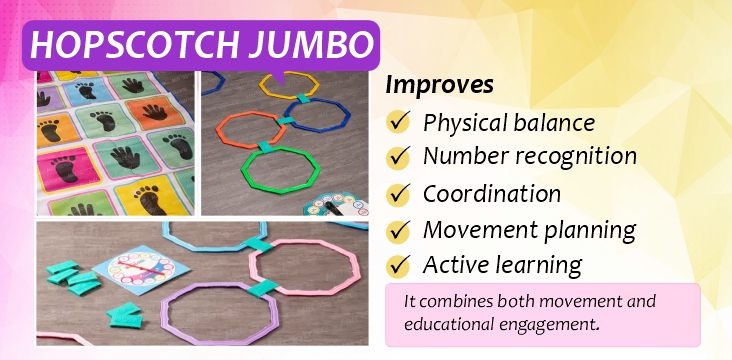
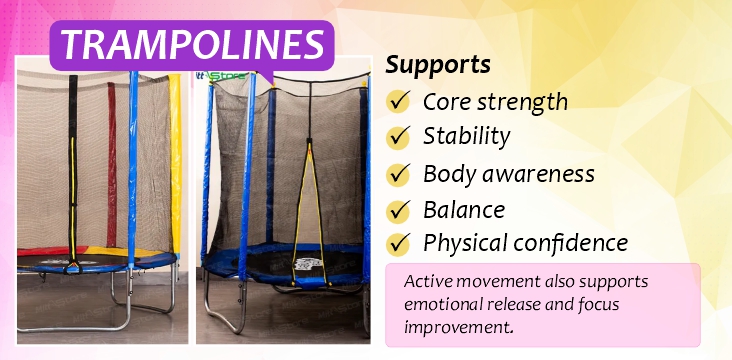
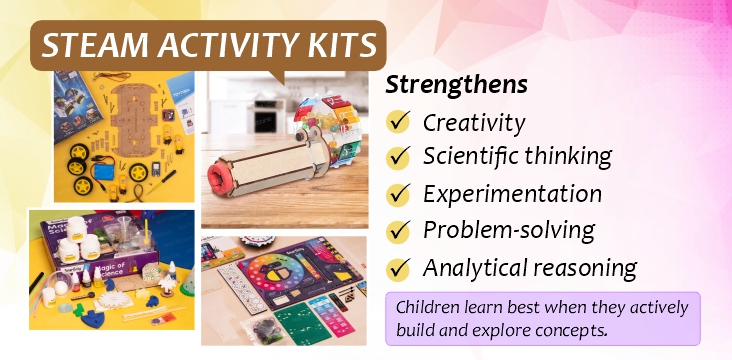
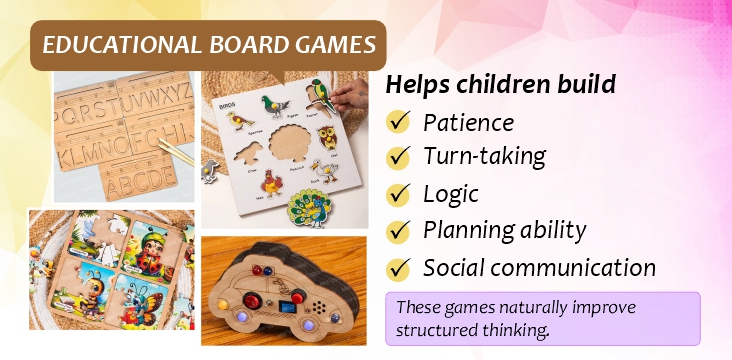
If your kid keeps asking you a lot of questions and you are tired of answering them, then it is a good sign. The only thing to take note is not get frustrated over their questions or ask them to stop asking them. Instead it is the right time to teach them how to enhance the level of their questions so they ask better analytical questions. Set them the rules as this is the right age to teach them the power of discipline and consistency. They become good at solving structured challenges so you can keep giving them more of it. And the most important thing this age requires is teaching them healthy competition where they know how to understand teamwork and build competitive confidence simultaneously.
Look for more strategy games, ones that have a lot of group activities, STEM learning, ones that build activities and logical reasoning games too.
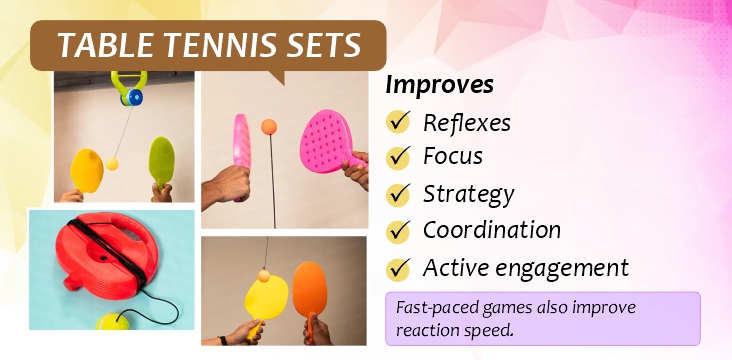
Kids around this age are able to form opinions, understand from their own perspective on how things around them work. So what you need here is to help them apply concepts independently so that they explore different conclusions altogether. Let them come across unfamiliar problems and solve them on their own so that they get the confidence to face uncertain problems on their own. This is the right stage where they get an environment to build curiosity deeper and dive into more structured thinking that strengthens their creativity and ultimately improves their focus and confidence.
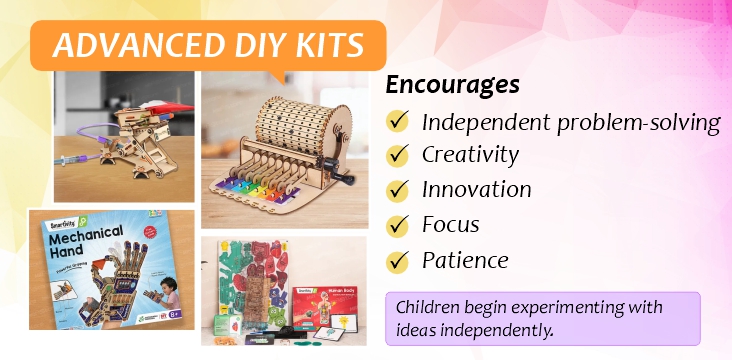
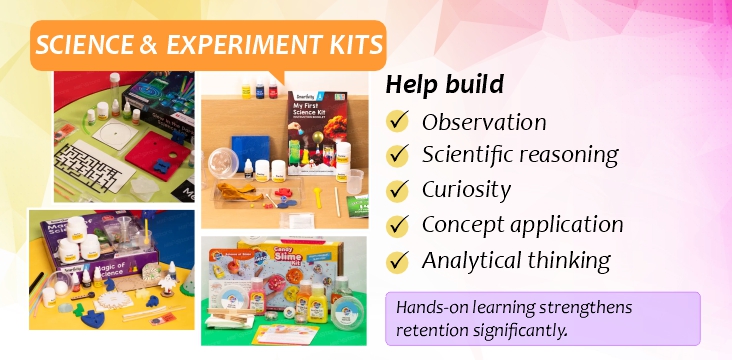
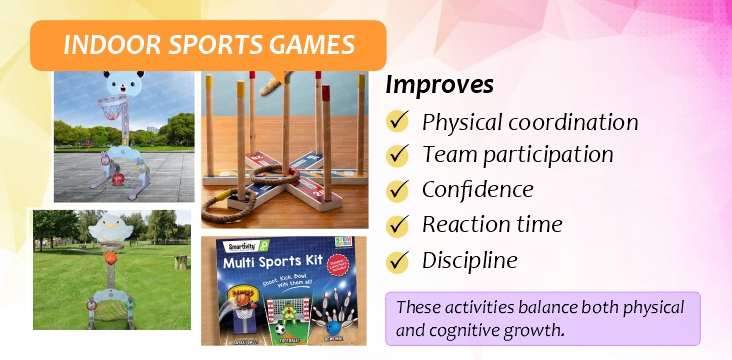
These activities balance both physical and cognitive growth.
This is important to understand that children do not simply learn anything that comes around them like that. A bigger challenge might drain their confidence, and an easier challenge might just restrict their curiosity. So planning as per the age is crucial. But again, it is not just the age, it is also their capability that adds value to how they learn and what they bring out.
In every stage of childhood, kids get to develop different skills, so when they find play as per their age, it helps them learn better while building their confidence.
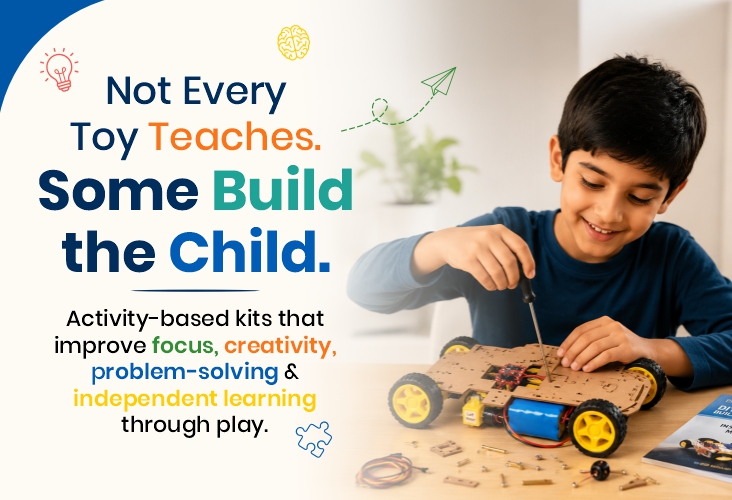
Educational toys make learning interactive by helping children understand concepts through play, movement, experimentation, and hands-on exploration.
Parents should choose toys based on the child’s age, interests, developmental stage, and whether the activity encourages creativity, movement, thinking, or independent play.