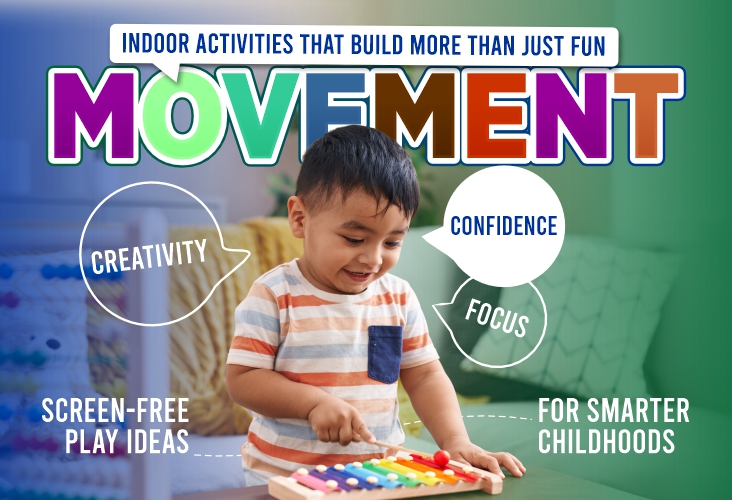
56% of Indian parents report their children have fewer outdoor play chances than they did as kids; globally, over half play outside ≤1 hour/day as per the Hindustan Times. 60-70% of under-5s exceed screen guidelines, linked to joint families, no siblings, and multiple home devices is published in Cureus Journal. Under-5s average 2.22 hours of daily screen time (twice WHO/IAP limits), with infants under 2 getting 1.23 hours despite zero recommended.
There are more!
From 2000 to 2015, children spent an extra 30 minutes per day at home, entirely as "alone-together time" on smartphones while parents were present. Total family co-presence rose from 347 minutes to 379 minutes daily, but shared activities stayed flat at around 84-95 minutes.
The reason?
Smartphones and Screens!
They dominate the extra home time and that is taken out from outdoor activities with no effect on reducing the family meals or watching TV together. The safety concerns, traffic, and structured schedules further limit the unstructured outdoor play. Especially after COVID, the habits have shifted that keep kids indoors longer, replacing outdoor play amid the safety fears, the urban density, and even academic pressure. And when both are working parents, they mostly get tired to go out with their kids. And here lies the silent importance of indoor & outdoor games that can change the overall gameplay.
And somewhere, due to structured schedules and fewer play spaces, playtime has nearly halved in this generation. The daily screen averages hit 6-9 hours for ages 8-14, excluding all the schoolwork.
The impact?
Excess indoor screen time ends up in lesser parent-child interaction. There could also be potential sleep issues because of the reduced physical activity.
It somehow weakens the cognition, adds to the obesity, sleep issues, and poor skills in Indian children. "Alone-together" time rises as families co-present but device-distracted, averaging urban kids 4 hours online daily.
So keeping all the safety concerns, it might not be possible to send kids out all the time. But parents can very well create an environment for students at home that is fun, indoor-friendly, and keep their kids distracted from the screens while making it entertaining indoors.
Many households misunderstand planning the indoor activities as a timepass activity, but if given enough attention and planned properly, it could change the overall gameplay of the child’s growth. There are innumerable advantages of indoor activities that make kids understand the patterns of life and help them adapt to the challenges that they come forward in their lives. Given are a few vital improvements that well designed indoor activities develop in children in their early childhood.
When kids engage with indoor tasks, it enhances their executive functions like their ability to pay attention, holding and using information temporarily for immediate use (which is quite essential for reasoning, comprehension, and learning), and even the amount of control that they can have on themselves.
This happens mainly because the indoor games for kids provide joyful and iterative experiences that strengthen brain architecture. The physical movements that kids engage in while playing with indoor games boosts blood flow and neuron growth which improves the memory and reduces the risks of cognitive decline.
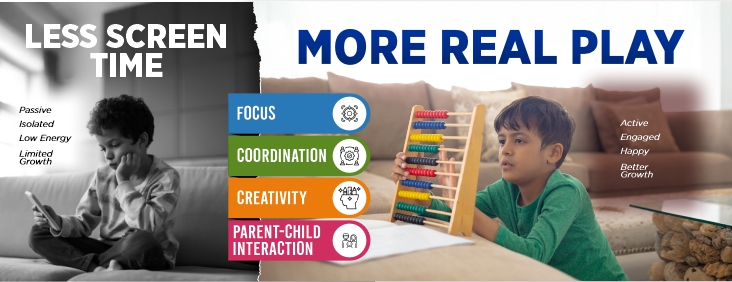
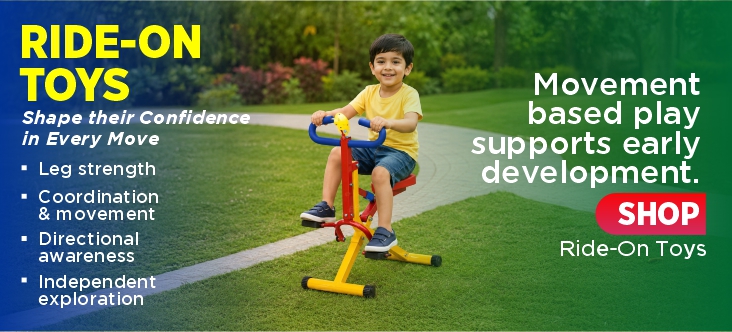
When kids play indoor games they sharpen their gross motor skills. Ones that control the large muscles of the body for the whole-body movement, like running, walking, jumping, and sitting upright.
Indoor activities also build fine motor skills which sets the coordination of small muscles in the hands, fingers, and wrists, with the eyes to perform the day to day precise deliberate movements. These skills are essential for kids to learn doing the daily tasks early like writing, typing, fastening buttons, using cutlery, and even tying shoelaces.
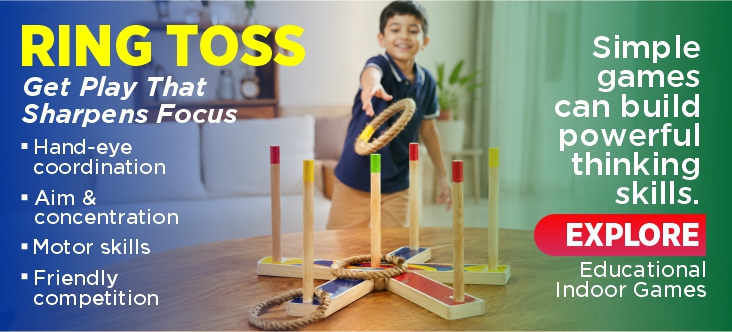
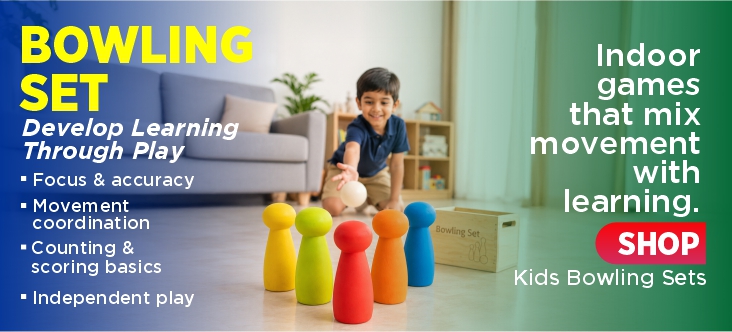
So introducing activities like trampoline can improve balance and core strength, bowling improves aim and coordination, and fun indoor games like ring toss can improve precision and coordination.
With consistency in performing these activities, the repetitive motions strengthen the muscles, refine proprioception (the subconscious “sixth sense” that allows the body to sense its location, movement, and acceleration in space without relying on the sense of sight), and boosts the cerebellum function for timing and balance. So playing with indoor games has been proven to improve coordination in kids, especially the 3-6 year olds.
While kids are having fun in the indoor activities, the prefrontal cortex engages. And when the front part of the frontal lobe, which is located directly behind the forehead, acts as the brain’s executive control center, it reduces distractions in a kid’s mind. When kids perform repetitive, goal-oriented tasks, like matching or puzzles, it rewires their attention networks, which increases focus from 5-10 minutes in toddlers to 20+ in preschoolers.
Playing with puzzles or memory games asks for visual scanning and recall which eventually boosts sustained attention. If they do it 15 min/day, it is sure to improve their detail focus. Similarly, with storytelling/reading, when listening to stories interactively it builds their imagination and also the verbal focus.
When there’s interaction through structured play, it encourages empathy and self regulation in kids. This helps children understand their feelings better and build relationships effectively. When playing cooperative games, they build turn-taking and conflict resolution skills in them, eventually strengthening their emotional intelligence too.
Especially if they role play with puppets, dolls, etc, they practice empathy by “walking in others shoes” and the group engagement develops a habit of healthy communication and trust in them.
The best part of indoor activities is that they are in a safe space, under supervision, yet set loose. So they are able to have independent play and creativity with open-ended, child-led opportunities, and without any rigid rules. This builds confidence and self-directed problem solving. From passive screen time, indoor activities bring kids to active exploration which is absolutely a must in urban Indian homes that have extended indoor periods.
With minimal adult intervention in indoor activities, children learn to be persistent, starting with 5-10 minutes of solo play extending to 30+ even as the skills grow. This gives kids free space while parents also ensure their safety keeping helicopter parenting at the far end.
It helps children build focus, creativity, motor skills, coordination, and problem-solving abilities while keeping them actively engaged away from screens.
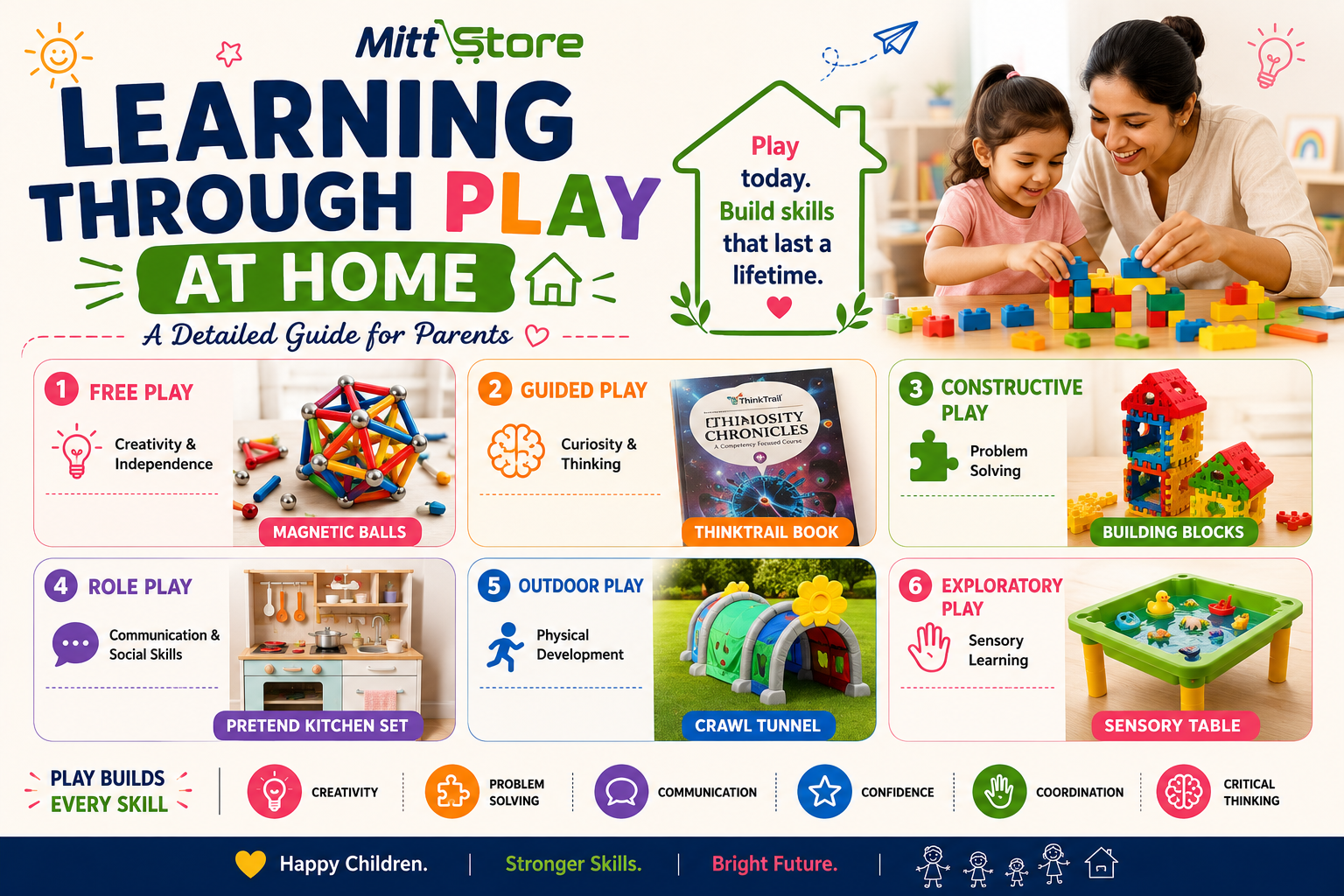
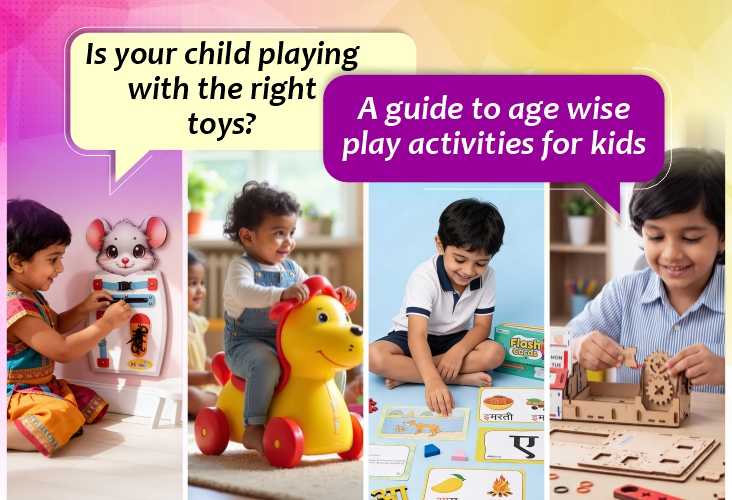
Games like bowling, ring toss, hopscotch, puzzles, trampolines, and activity boards are great because they combine movement, thinking, and coordination together.
Indoor activity toys support learning through play by improving concentration, balance, creativity, sensory skills, and logical thinking naturally.
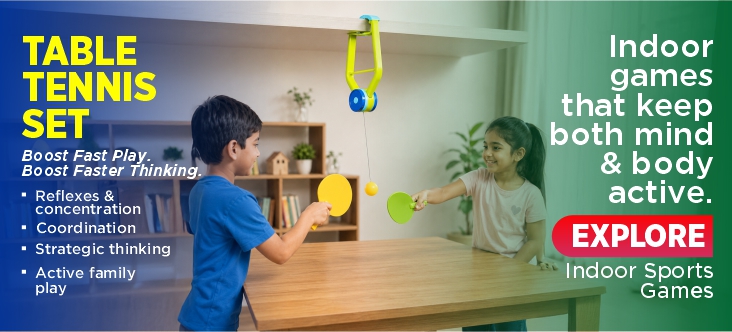
Ring toss, table tennis, puzzles, activity boards, and matching games help strengthen concentration, patience, and hand-eye coordination.
Yes, toddlers learn best through hands-on exploration, movement, and sensory play, making educational indoor toys highly beneficial during early development years.
Pretend play toys improve imagination, communication, storytelling, creativity, emotional expression, and social understanding.
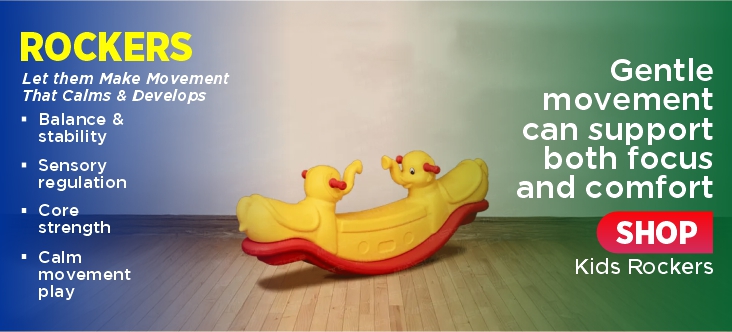
Yes, active indoor games help children stay physically engaged while strengthening muscles, posture control, balance, and coordination.
Choose products based on your child’s age, interests, developmental stage, and whether the activity encourages movement, creativity, thinking, or independent play.
Trampolines, tent houses, bowling sets, puzzles, ring toss, hopscotch, and activity boards are excellent screen-free indoor play options.