The way children learn has a direct impact on the outcomes they achieve and skills they develop. This brings us to an important question: What has the child learned, and more importantly, what can the child do with that knowledge?
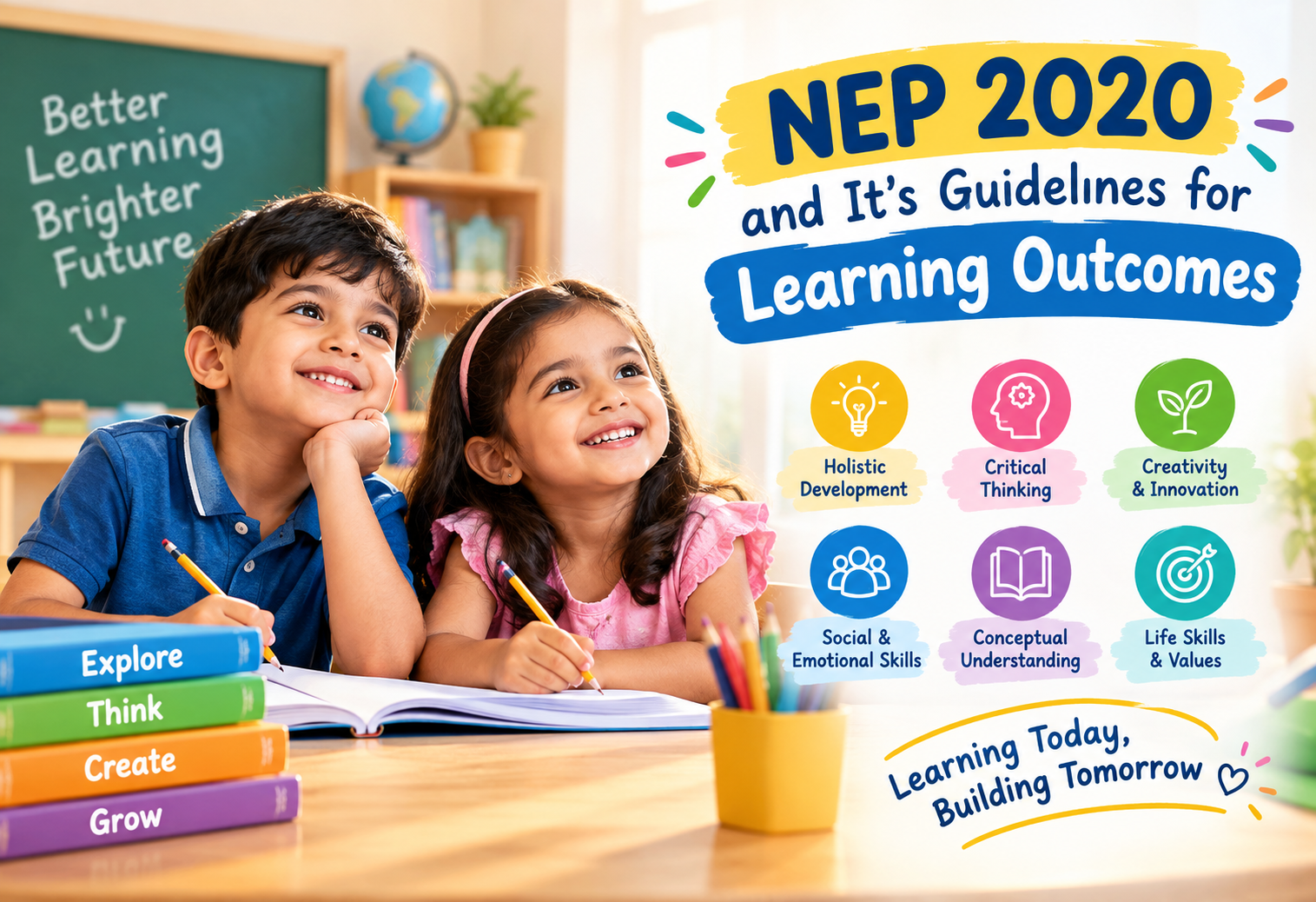
NEP 2020 places greater significance on experiential learning, holistic development, critical thinking, meaningful learning, and competency development. Rather than solely focusing on rote learning, NEP promotes critical thinking with conceptual understanding and high-order thinking. The policy of NEP also involves an emphasis on reducing curriculum content that helps students to focus on essential concepts that maximise cognitive development.
A key concern highlighted by NEP 2020 is the gap between the learning outcomes children achieve and the outcomes that are needed for future development. To bridge this gap, it requires a stronger focus on conceptual understanding, creativity, experiential learning, critical thinking, and skill development across different stages of education and learning. From the foundational years onward, learning experiences are expected to become more engaging, inquiry-driven, and activity-based, helping children to connect with development and processes.
This shift in learning makes learning outcomes an essential part of the conversation about education. The focus is not simply on what children know, but also what they understand, what they can do with that knowledge, and which skills are important to develop through the learning process.
Learning outcomes describe what a learner is expected to know, demonstrate, and understand after a particular learning experience. They provide a way of looking at learning beyond the completion of a lesson or textbook chapter.
NEP 2020 helps in encouraging a move towards a competency-based education that focuses on developing the ability to apply knowledge and skills rather than simply recalling information. A child learning about numbers should focus on more than recognising numbers, as they must include the ability to count, classify, compare, and use numbers in meaningful situations.
Similarly, language learning should extend beyond memorising words and recognising letters. They should have opportunities to listen, understand, express ideas, communicate, express ideas and develop vocabulary through meaningful experiences.
This approach helps in making learning outcomes more closely connected with understanding, application, and skill development.
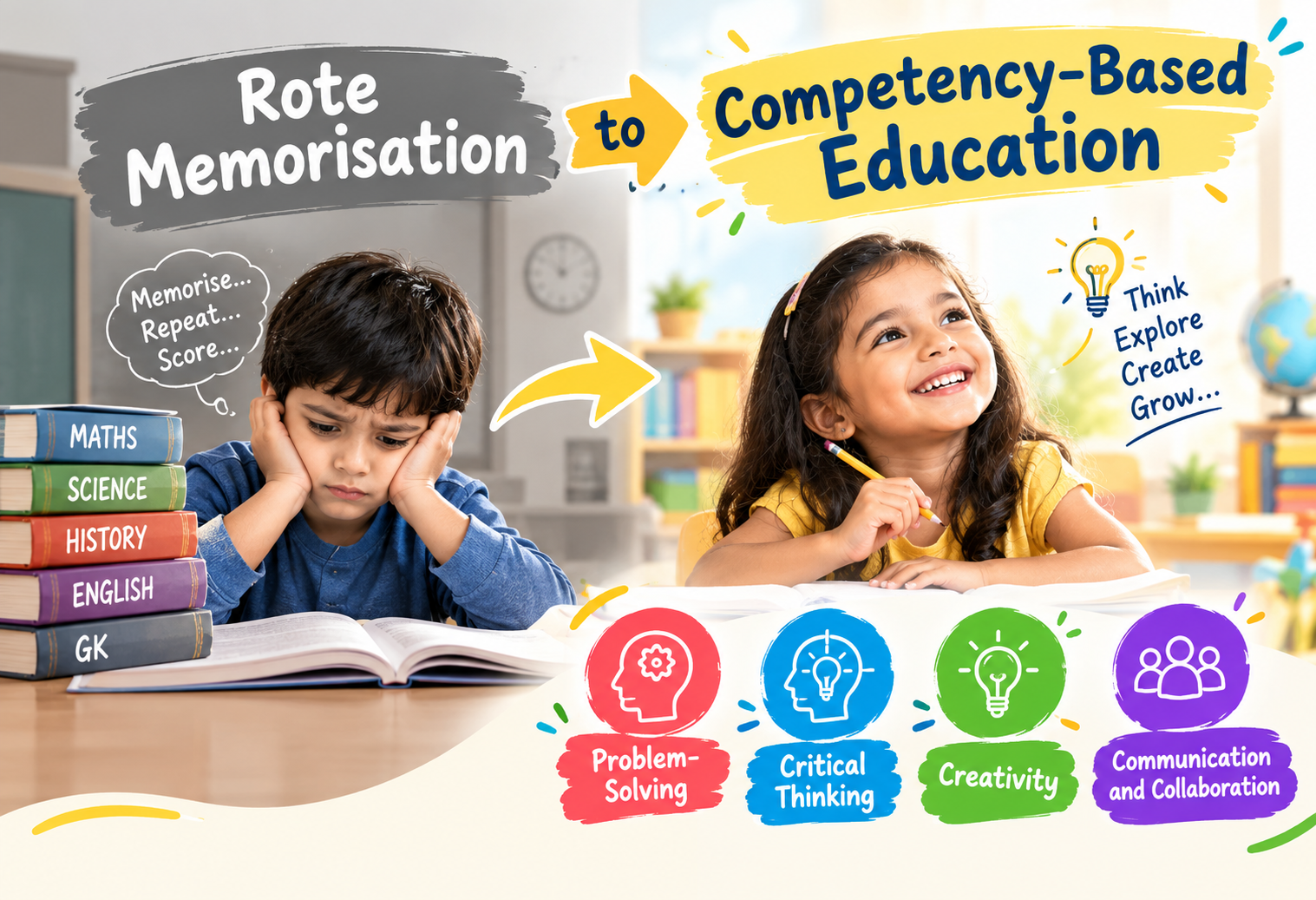
NEP 2020 redefines learning by shifting the focus from memorising information to competency-based education, where children can apply it in real-life situations related to their practical life skills. The policy recognises that meaningful learning outcomes are attained when learners are actively engaged in clarifying concepts, using their knowledge to solve problems, and thinking independently.
The strong emphasis is on foundational literacy with critical thinking, numeracy, creativity, experiential learning, and skill development.
Conceptual Understanding- Instead of encouraging children to memorise facts, NEP focuses on promoting a deeper understanding of concepts. When the children understand the “How” and “Why” behind the topic, they are better involved in connecting with ideas, applying knowledge in different contexts, and retaining learning for a longer period. This helps in creating stronger emphasis on learning outcomes than rote memorisation.
Problem-Solving and Critical Thinking- The policy helps in encouraging learners to ask questions, analyse information, evaluate different perspectives, and find solutions independently. Whether children are involved in solving puzzles or engage in science STEAM education experiments, these experiences help children to develop reasoning skills that are crucial for everyday decision-making and academic success.
Creativity and Innovation- NEP focuses on recognising creativity as an essential learning outcome rather than an extra-curricular activity. Opportunities to build, design, experiment, write stories, and explore new ideas encourage children to express themselves imaginatively and develop innovative approaches to challenges.
Collaboration and Communication- Learning is most effective as children can engage in expressing their work and ideas with others. Through storytelling and discussion, developing communication skills with active listening and respect for different viewpoints. These interpersonal and social skills help in preparing them for lifelong learning and future workplaces.
Together, these approaches help in developing learners who can communicate, create, think, solve, and apply knowledge beyond the classroom.
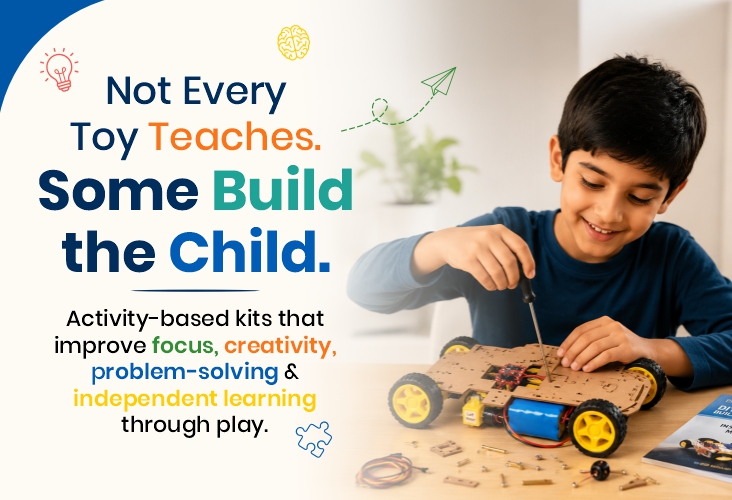
Experiential Learning allows children to learn through doing, interacting, and exploring rather than focusing on receiving information. NEP 2020 helps in encouraging learning experiences that are inquiry-driven, activity-based, and focused on discovery that helps children to develop a high level of deeper understanding of concepts.
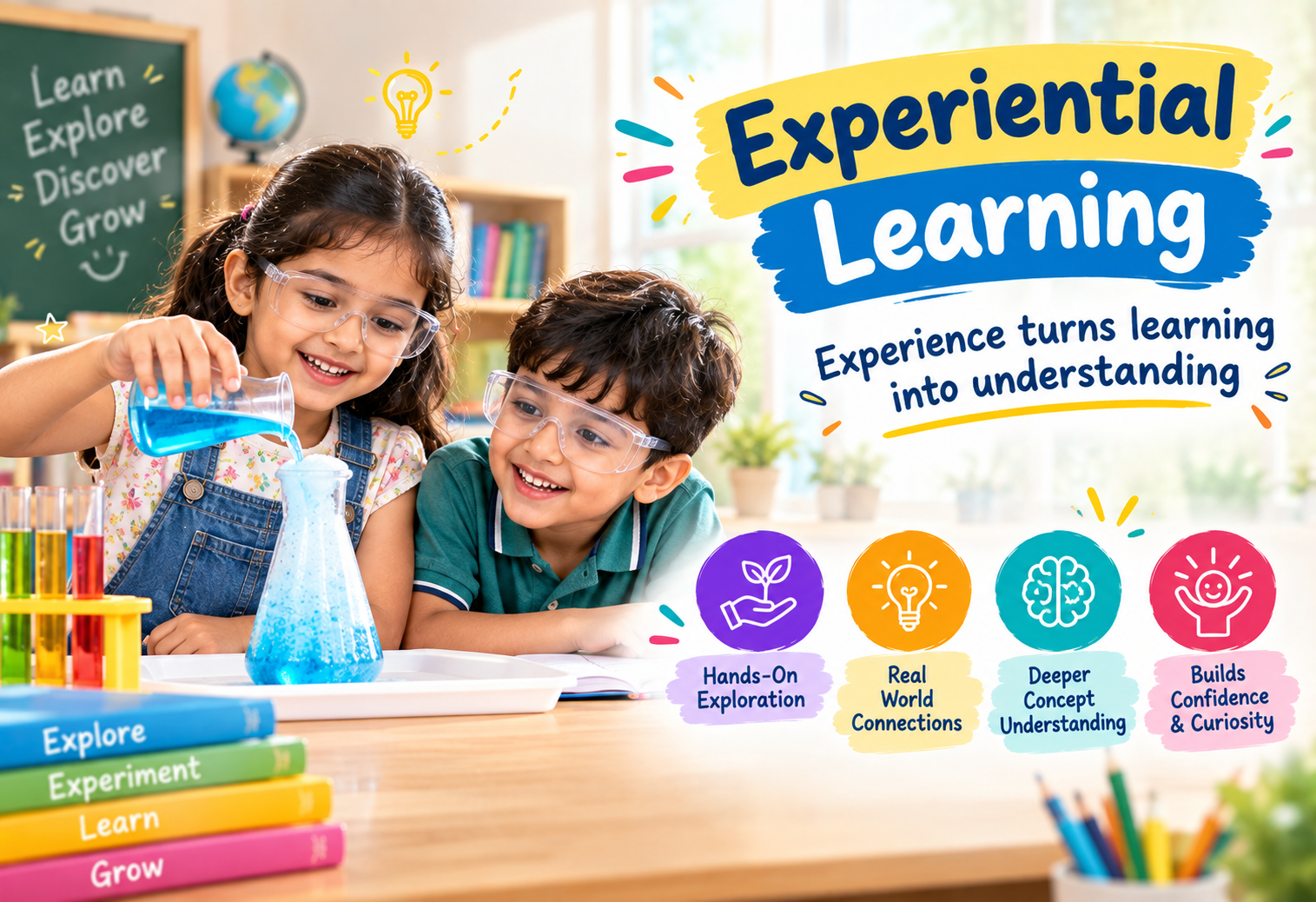
With these approaches, learning turns into an active process where children can explore, practise skills, explore concepts, and apply their understanding. This also highlights the importance of learning resources that help in providing meaningful opportunities for children to experiment, interact, and create.
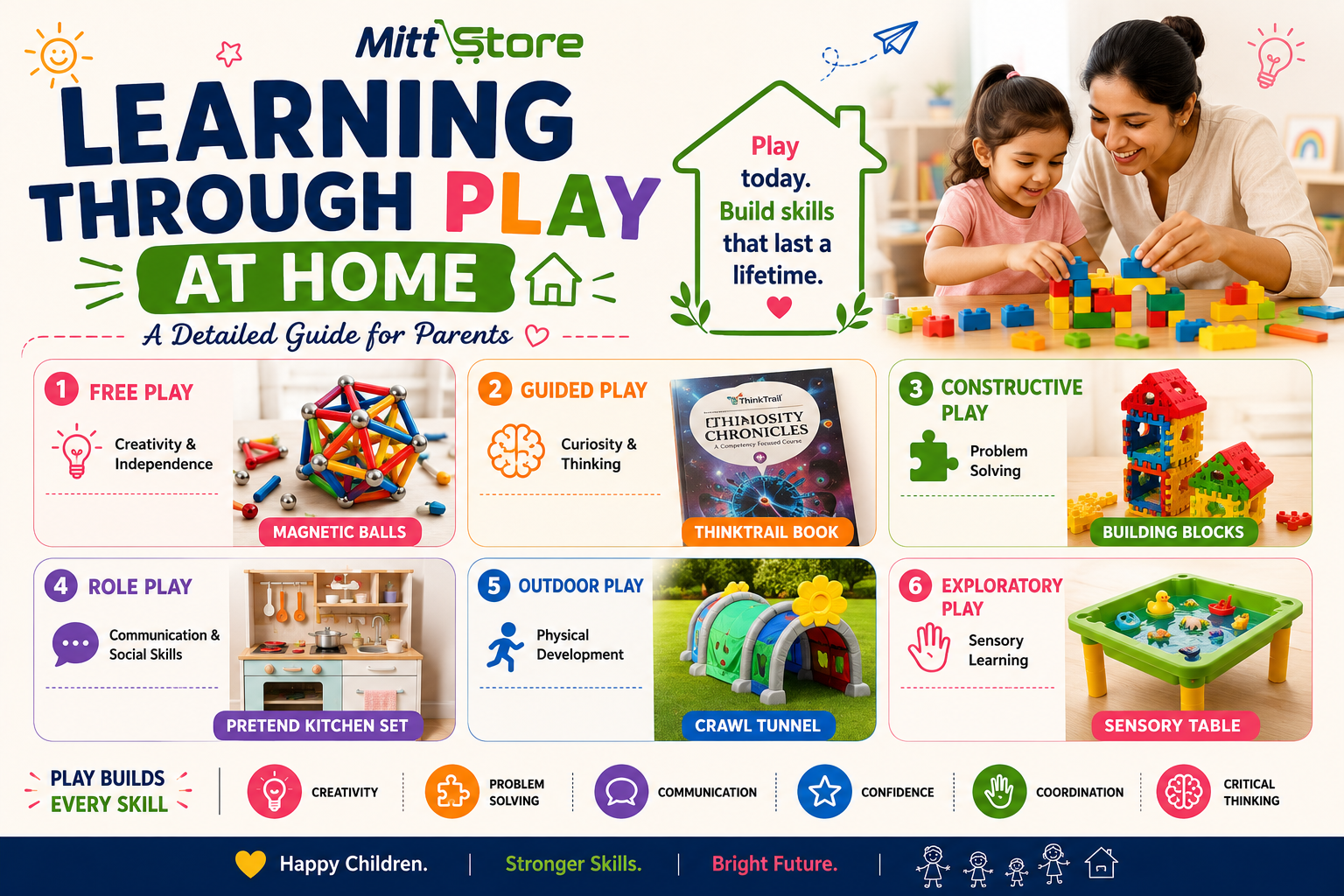
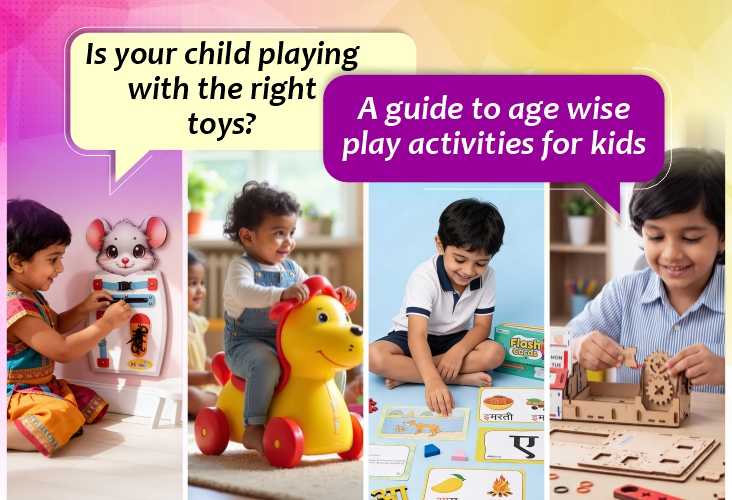
NEP 2020 recognises activity-based, play-based, and experiential learning as crucial approaches that particularly during the foundational years. With these approaches, children have opportunities to explore different concepts, practise skills, and demonstrate what they understand.
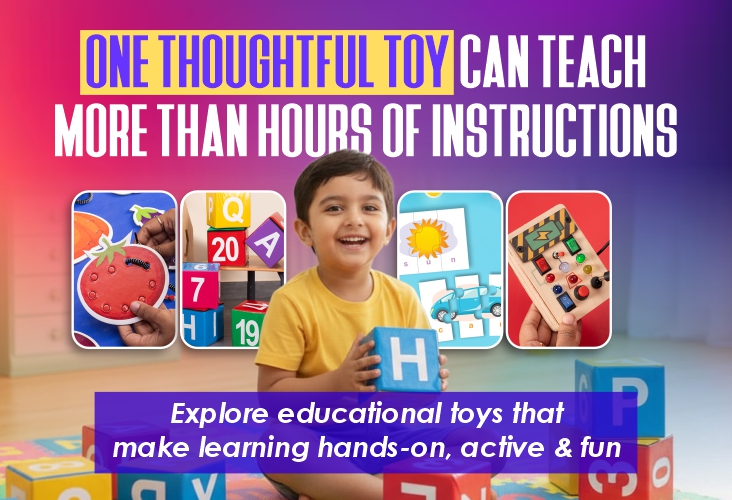
This is where learning resources can make a meaningful difference. In Mittstore, we have a collection and range of educational toys, games, musical instruments, furniture, school essentials, Jaadui Pitara, STEAM Education, charts, flashcards, and many more that provide opportunities to learn through interaction and hands-on experiences.
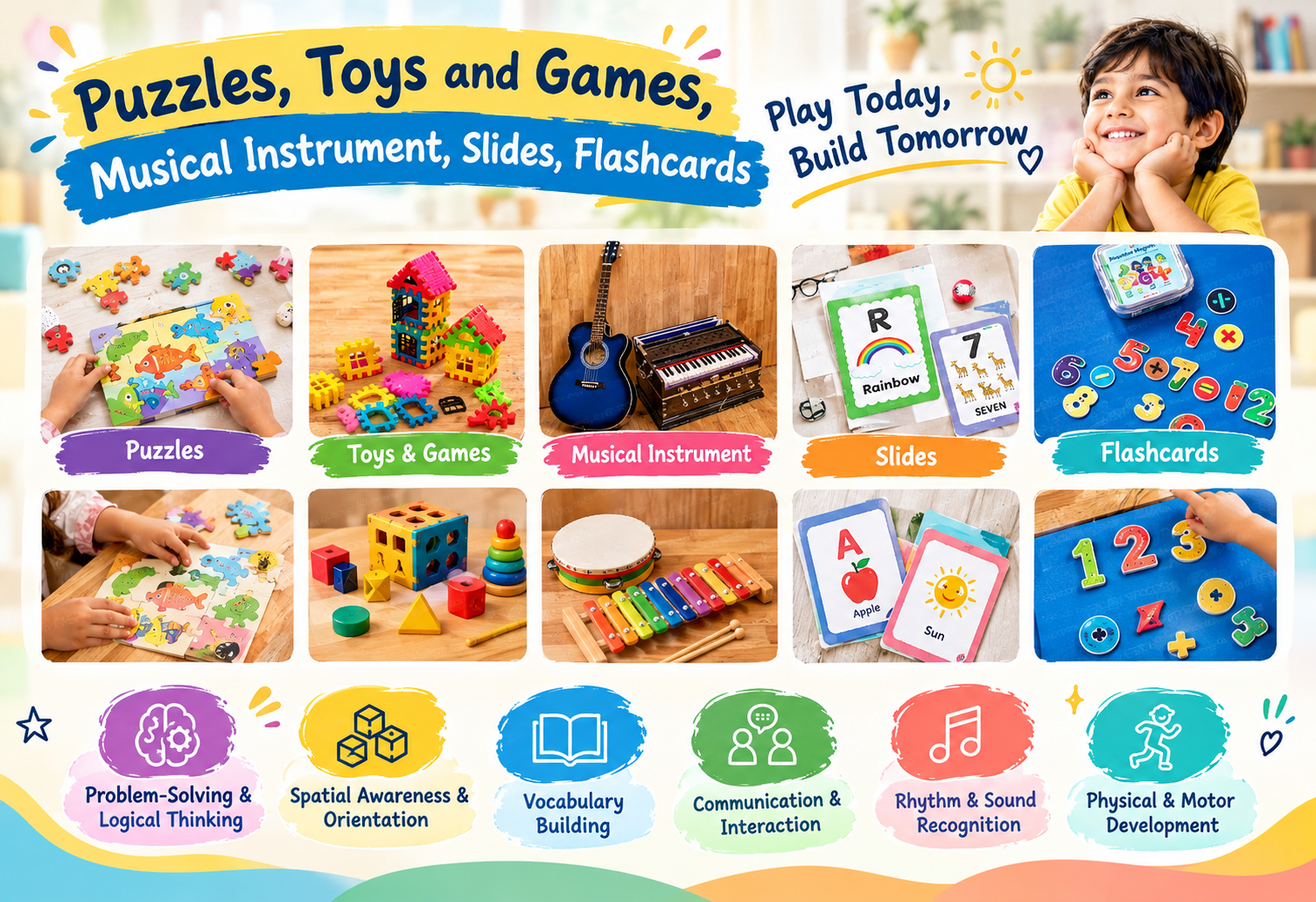
By connecting learning with exploration, play and creation, these resources help in supporting the kind of skill-focused and meaningful experiences that help in encouraging by NEP 2020. The focus shifts from simply knowing an answer to understanding, demonstrating, and applying learning.
Meaningful education helps in empowering children to understand, explore, create, and apply what they learn. NEP 2020 focuses on strengthening this vision by encouraging competency-based, experiential, activity-based, and play-based learning that helps in supporting learning outcomes and holistic skill development.
When children get opportunities to explore, ask questions, explore concepts, solve problems, collaborate, create, and learn through hands-on experiences. This helps in developing skills that extend beyond classroom learning. The use of the right learning source helps enrich these experiences by helping children to interact with different concepts and turning something that can be explored, seen, touched, and applied.
“Education is not preparation for life; education is life itself”- John Dewey.
Ultimately, meaningful learning helps in creating opportunities that involve children in learning with curiosity, thinking with confidence, applying their knowledge, and creating with imagination. This reflects the larger vision of NEP 2020 that helps in making education more purposeful, engaging, and focused on engaging learners with effective knowledge, competencies, and skills they need for the future.
The focus of NEP 2020 involves competency-based learning with activity and experiential learning that helps children to move beyond memorisation and understanding, applying knowledge and developing essential skills.
NEP 2020 focuses on the development of core skills including collaboration, conceptual understanding, problem-solving, creativity, and the ability to apply knowledge in real-life situations.
Experiential learning allows children to keep exploring, learn by doing things, and experiment. Experiential learning helps children understand different concepts effectively and develop practical skills in problem-solving, reasoning, and creativity.
Play-based learning provides opportunities in exploring practice, concepts, and learning through interaction. These activities involve different games with storytelling, puzzles, music, art, and hands-on experience that help support holistic development in the foundational years of education.